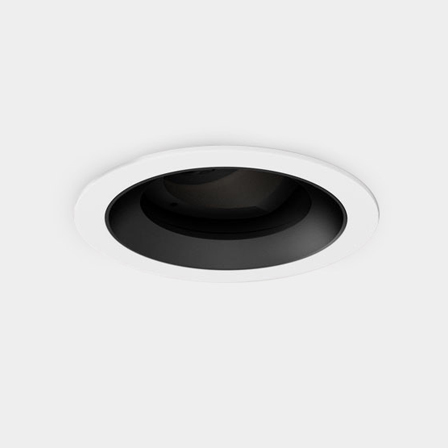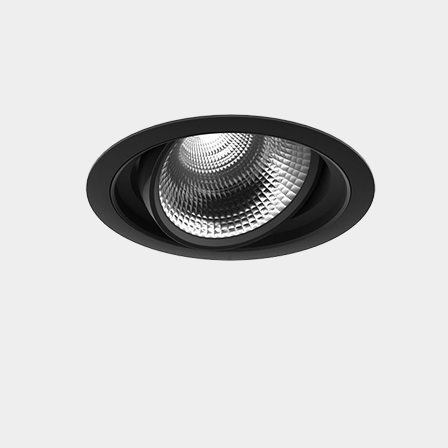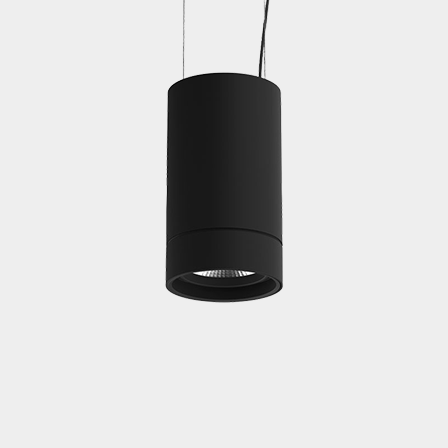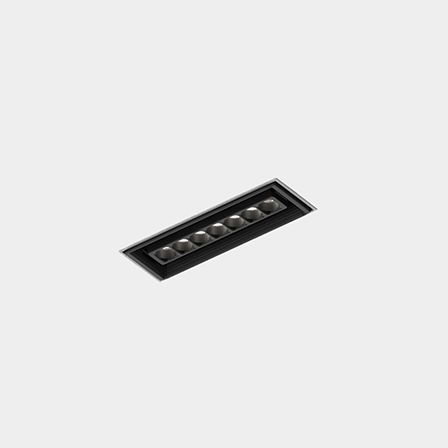
General Illumination
General illumination creates the foundation for the entire retail experience. It should provide comfortable, consistent light that supports visibility and navigation without overpowering merchandise or architectural features.
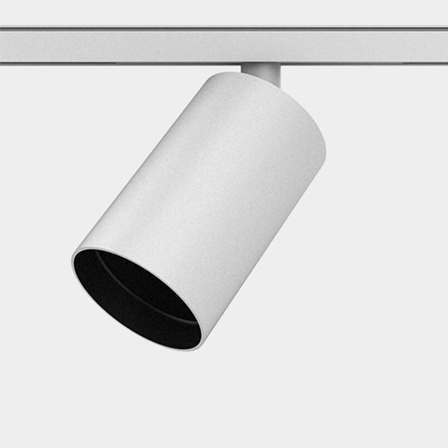
Downlights and other architectural luminaires can establish this base layer while allowing accent and display lighting to take visual priority where needed.
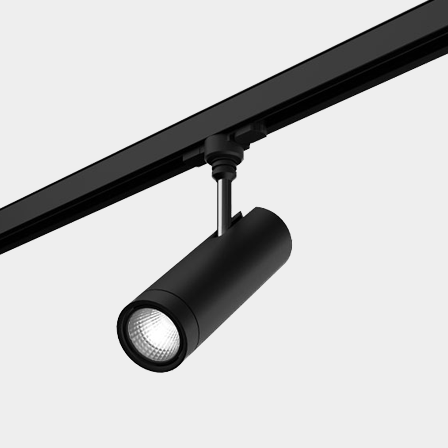
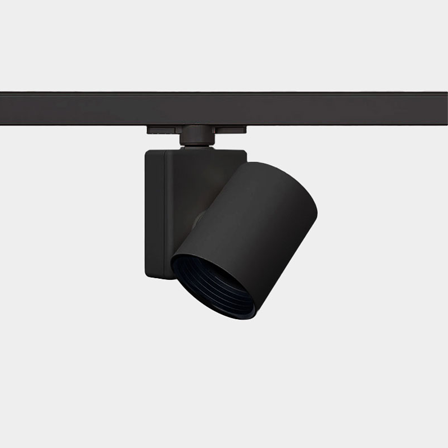
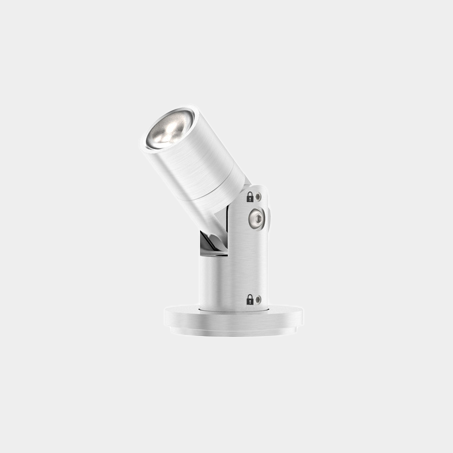
Retail lighting should help direct attention. Focused accent lighting can establish visual hierarchy, highlight featured merchandise and bring out the color, texture and material of a product.
Adjustable lighting is particularly valuable in environments where displays change frequently, giving retailers the flexibility to redirect light as merchandise and layouts evolve.
Explore Linear Lighting from Luminii
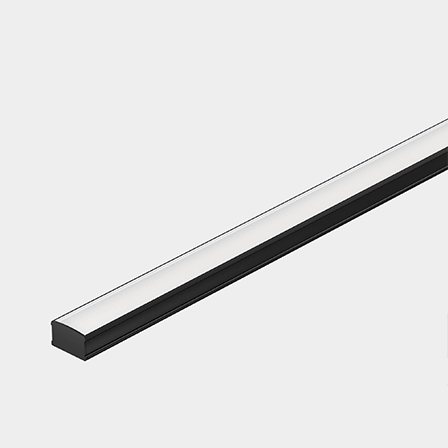
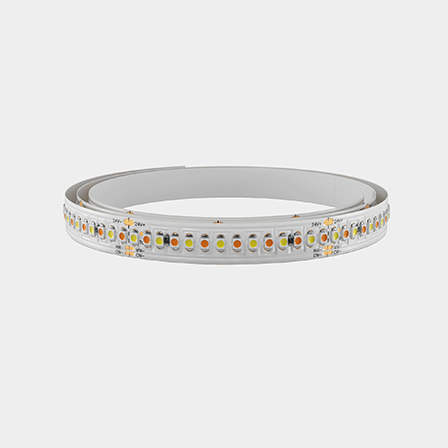
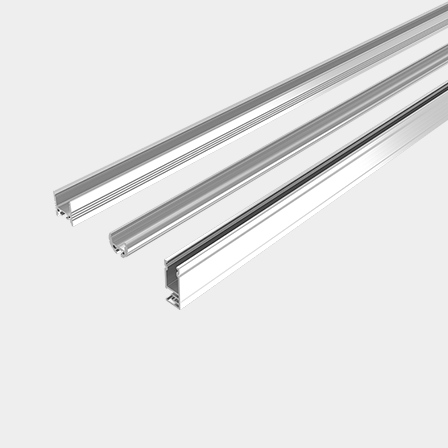
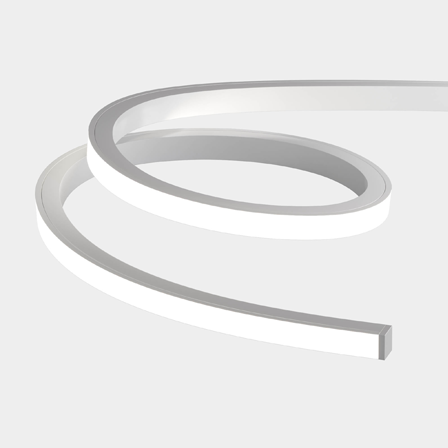
Integrated lighting can bring illumination closer to the merchandise while keeping the source itself discreet. Compact linear lighting and LED strip can be incorporated into shelving, displays and millwork to highlight products without competing with them.
The key is selecting a solution with the right output, color quality and form factor for the application. Shallow profiles can help minimize visible hardware, while careful placement can reduce unwanted shadows and hotspots.
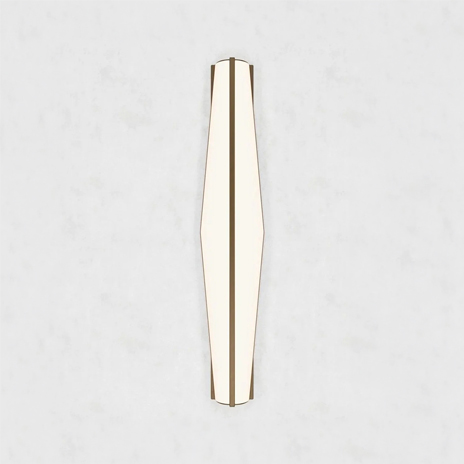
Lighting can do more than illuminate merchandise. It can become part of the architecture itself.
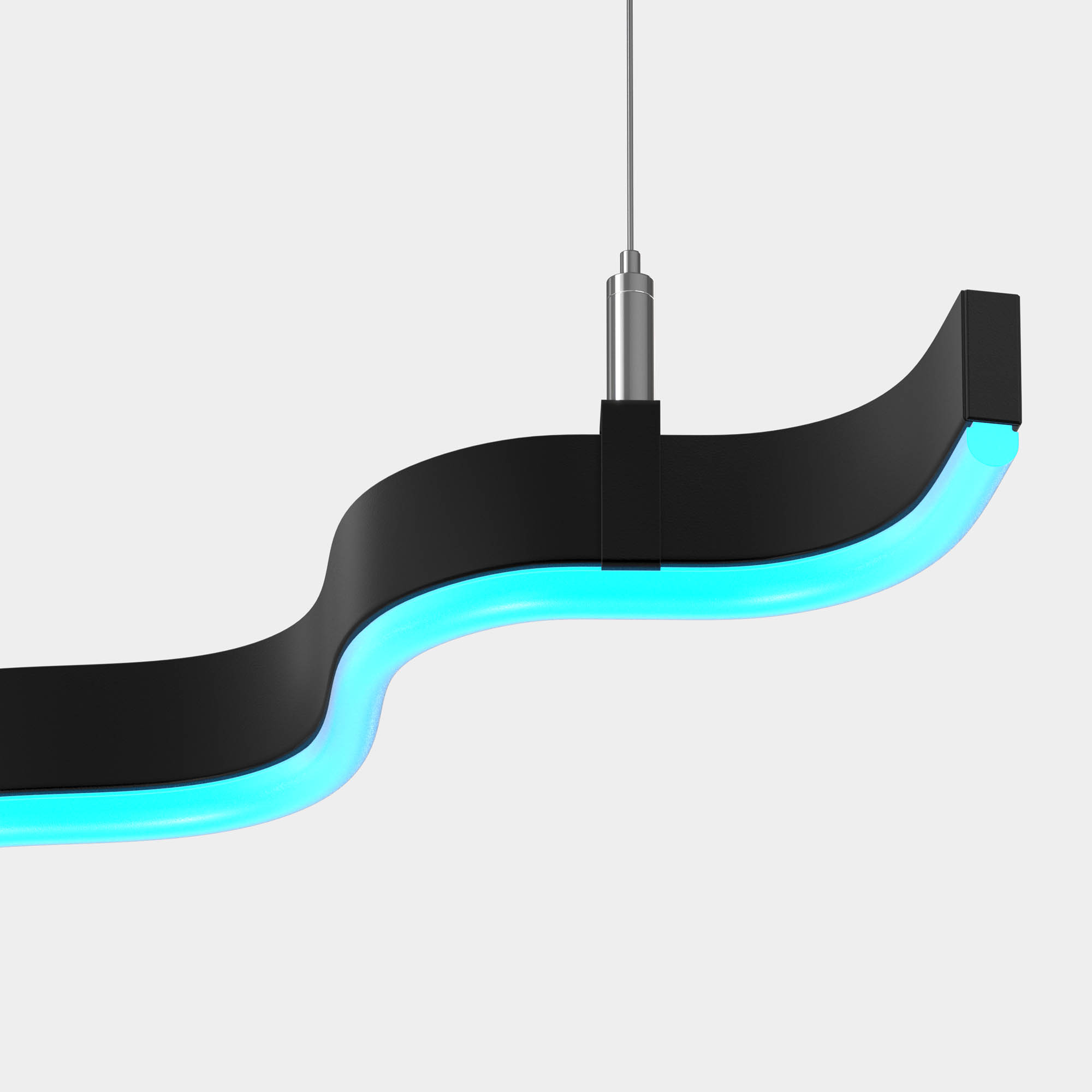
Linear and flexible lighting can emphasize coves, contours and architectural details, while integrated solutions can create distinctive moments that reinforce the identity of a retail brand. Used intentionally, these layers help transform lighting from a functional necessity into part of the overall customer experience.
Retail spaces are rarely static. Seasonal displays, new products, pop-ups and changing merchandising strategies can all alter how a space needs to be illuminated.
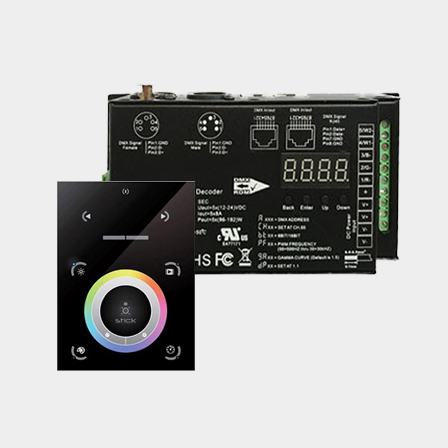
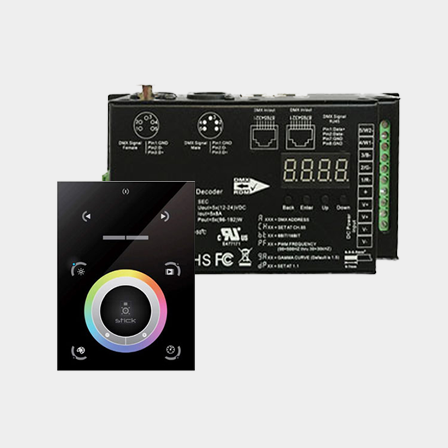
Adjustable fixtures and flexible lighting systems make it easier for lighting to evolve alongside the environment. Depending on the application, dimming, Warm Dim, Tunable White or dynamic color can provide another level of control over how the space looks and feels throughout the day or across different experiences.
A successful retail lighting strategy isn’t simply about selecting fixtures. It starts with understanding what each layer of light needs to accomplish.
Flexibility: Consider how often displays, merchandise or layouts will change. Adjustable and adaptable lighting can make it easier for a space to evolve without redesigning the entire lighting system.
Visual Experience: Lighting should help create hierarchy, atmosphere and an intentional path through the environment. Consider what should attract attention first and how lighting can guide customers naturally through the space.
Color Quality: Merchandise should look the way it was intended. High color rendering can help accurately reveal colors, finishes, textures and materials, making color quality particularly important in retail environments.
Controls: Dimming, Warm Dim, Tunable White and dynamic color can provide greater control over the atmosphere of a space. The right approach depends on the merchandise, architecture and experience the designer wants to create.
Sustainability: Energy efficiency is only one consideration. Product longevity, efficacy, material transparency and environmental documentation can all contribute to more informed lighting specifications.
Learn more about our material ingredients
The strongest retail environments rarely rely on one type of lighting. Instead, they layer ambient, accent, display and architectural lighting to give each part of the space a purpose.
General illumination establishes comfort and visibility. Accent lighting creates hierarchy. Integrated display lighting brings attention directly to merchandise. Architectural lighting helps shape the overall environment and brand experience.
Together, these layers create a space that isn’t simply well lit. It is intentionally designed around what customers should see, where they should go and how the environment should feel.
What type of lighting is best for retail stores?
The best retail lighting typically combines multiple layers rather than relying on a single fixture type. General illumination provides comfortable overall light, accent lighting highlights merchandise, integrated lighting illuminates shelving and displays, and architectural lighting can reinforce the character of the space. The right combination depends on the merchandise, architecture and desired customer experience.
What color temperature is best for retail lighting?
There is no single color temperature that is best for every retail environment. Warmer color temperatures can help create an inviting, intimate atmosphere, while cooler color temperatures may create a brighter or more energetic appearance. Merchandise, materials, brand identity and the desired experience should all inform the selection. Tunable White can also provide flexibility where the desired color temperature changes by display, time of day or use.
How should retail display lighting be layered?
Start with general illumination to establish comfortable visibility, then add focused accent lighting to establish hierarchy and draw attention to merchandise. Integrated lighting can be used within shelving, casework and displays to illuminate products at close range, while architectural lighting can reinforce key features and the overall design of the space.
What is the difference between ambient and accent lighting in retail?
Ambient lighting provides the general level of illumination needed to comfortably see and move throughout a retail space. Accent lighting is more focused and is used to draw attention to merchandise, displays, architectural features or other visual focal points. Using both helps create contrast and hierarchy within the environment.
Why is CRI important in retail lighting?
Color Rendering Index, or CRI, describes how accurately a light source reveals colors compared with a reference source. In retail environments, strong color rendering helps merchandise, finishes and materials appear more natural and accurate, which can be especially important for apparel, cosmetics, furnishings and other color-sensitive products.
Design Retail Lighting Around the Experience
The right retail lighting starts with understanding the experience you want to create. From comfortable general illumination and focused merchandise lighting to integrated displays and architectural moments, each layer has a role to play.
Luminii offers a broad portfolio of architectural lighting solutions designed to give designers flexibility across those layers, helping bring light closer to the architecture, the merchandise and the overall design intent.
 Back to top
 Select Location