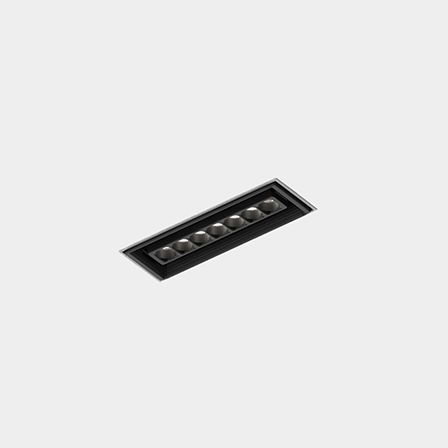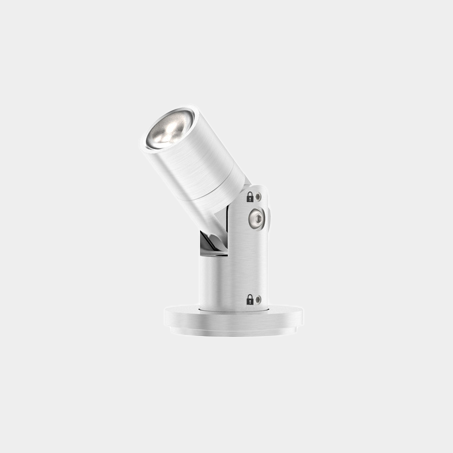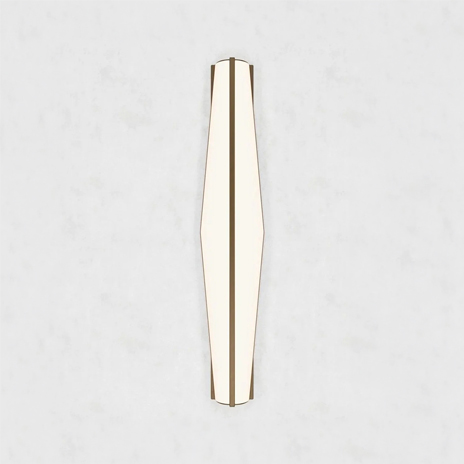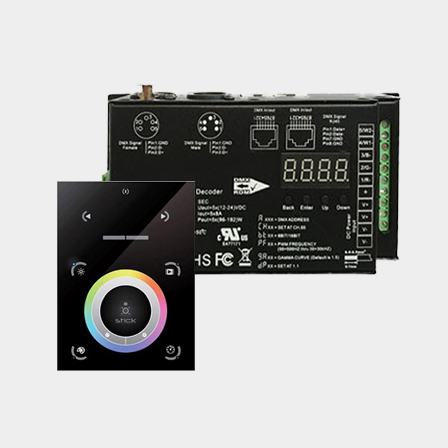
Architectural lighting doesn’t stop at the building envelope. As projects grow in scale and complexity, so do the demands placed on exterior, urban, and public-realm lighting. Durability, performance, and precision matter more than ever—and so does maintaining the continuity of design intent.
Known for precision optics, durability, and architecturally refined design, Filix brings deep expertise in applications where performance, environmental resilience, and optical control are critical. Their products are engineered to perform in challenging urban and underwater environments without compromising the visual clarity and architectural integrity designers expect.
What makes this partnership especially compelling goes beyond complementary portfolios. Both organizations share a common vision: creating innovative architectural lighting solutions that stand the test of time. It’s a commitment to thoughtful design, engineering excellence, and earning the trust of architects, lighting designers, and specifiers through products built for lasting performance.
Together, Luminii and Filix can support projects with greater continuity—from interior spaces and architectural details to façades, landscapes, urban environments, and beyond.
This isn’t about expanding the catalog. It’s about removing the traditional boundaries between interior and exterior lighting, giving designers and specifiers the freedom to carry a single vision across an entire project.
~Amy Bonder, Chief Commercial Officer for Luminii
As architecture increasingly considers the full experience of a place—from buildings and landscapes to pathways and public spaces—lighting partners must be do the same. Together, Luminii and Filix help designers carry a single lighting vision from street to space.
Architectural lighting doesn’t stop at the building envelope. Neither do we.
 Back to top
 Select Location